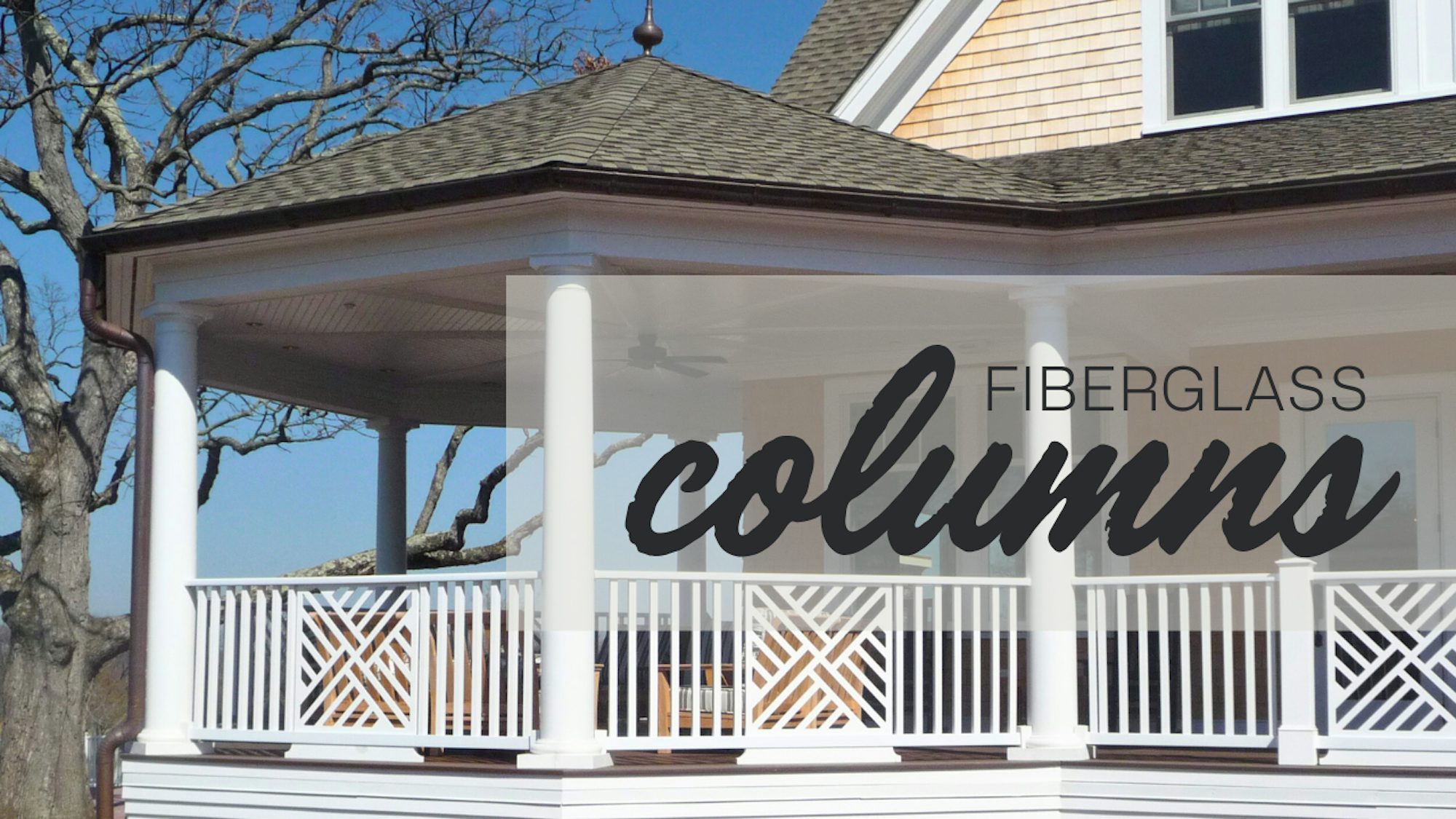
What are fiberglass columns made of
Fiberglass columns are manufactured using a combination of glass cloth, chopped fibers, and flame-retardant polyester resin. This combination results in an exceptionally high strength-to-weight ratio, making them strong enough to be structural while still light enough to handle easily on-site. One of their most notable properties is their resistance to moisture—water absorption rates range from 0.04% to 0.05%, making them an excellent choice for exterior applications in any climate.
Where are fiberglass columns commonly used
You’ll often see fiberglass columns used in entryways, porches, patios, and along colonnades to create striking exterior focal points. They're equally effective indoors, particularly in foyers or staircases where architectural detail is important. Thanks to their moisture resistance, fiberglass columns are also ideal in coastal or humid climates. Their clean lines and ability to be molded into various styles make them a great fit for both classical and contemporary architecture.
Learn more about column shapes and sizes.
Are fiberglass columns load-bearing?
Not all fiberglass columns are structural, but those designed for load-bearing applications can support impressive weight; depending on column diameter, many have a load rating between 8,000 and 20,000 lbs. For these columns to perform as intended, the load must be evenly distributed. Improper installation can compromise performance, so always follow the manufacturer’s specifications and installation instructions when using fiberglass columns structurally.
Can you paint fiberglass columns?
Yes, fiberglass columns can (and should) be painted. While they’re durable on their own, painting adds UV protection and helps the columns match other design elements. Always use a high-quality, exterior-grade acrylic latex paint and begin with a primer suited for fiberglass. If you're choosing a dark color with a Light Reflective Value (LRV) under 56, opt for a solar-reflective formula to minimize heat absorption and potential expansion issues. Allow the paint to cure fully before exposing the columns to the elements.
How to cut fiberglass columns
Most round columns have an architectural entasis taper, where the lower third of the shaft will be straight before the shaft diameter narrows slightly at the neck, or top of the column. When adjusting a fiberglass column’s height, always cut from the bottom straight section. Use a circular saw fitted with an abrasive cut-off blade, and double-check your measurements before making the cut. A belt sander can help fine-tune the cut for a perfect fit. Test fitting before final installation is recommended.
How to install fiberglass columns
The installation method depends on whether you’re working with split (two-piece) or full structural columns.
For split (two-piece) FRP columns:
-
Install blocking at the column base, capital, and behind vertical seams
-
Apply polyurethane adhesive along the bedding joint at the seam
-
Secure the halves together by anchoring mechanical fasteners to the blocking
-
Clamp or strap the pieces until the adhesive fully cures
-
Fill the seam with an exterior-grade body filler such as Bondo or similar
-
Sand smooth and finish with paint
For structural FRP columns:
-
Make sure the base and top are level and plumb
-
Use L-brackets or mounting plates at column base and capital to anchor the column
-
Ensure the load above is evenly centered, and sits directly on the column shaft with no gaps
-
Caulk all joints and apply paint for a sealed, professional look
Benefits of fiberglass columns
Fiberglass columns offer a long list of advantages. They’re lightweight but incredibly strong, which simplifies transport and installation. They won’t rot, rust, or attract termites, and they have a Class A fire rating, making them a safe and low-maintenance option. Fiberglass columns can be molded into a wide range of sizes and styles, making them ideal for almost any architectural vision. Whether you're designing a luxury estate or updating a commercial building, fiberglass columns bring both function and form—indoors or out.
Other column options from Decoro
In addition to fiberglass, Decoro offers a variety of column materials to suit different architectural styles and performance needs:
-
Molded Limestone Columns are designed to mimic the look and feel of cast stone with reduced weight and cost. Available in smooth or textured finishes, they’re fully structural and suitable for all climates.
-
GFRC Columns (Glass Fiber Reinforced Concrete) are a durable, non-combustible option ideal for masonry applications and fire-rated projects. GFRC columns are lightweight compared to cast stone and can be pre-colored for easier installation.
-
Cellular PVC Columns are a lightweight, easy to machine and install, and highly durable. PVC columns replicate the crisp detail of wood while delivering long-term performance with minimal upkeep.
Not sure which column is right for your next project? Contact us today and we’ll help you choose the best option for your design and performance goals.